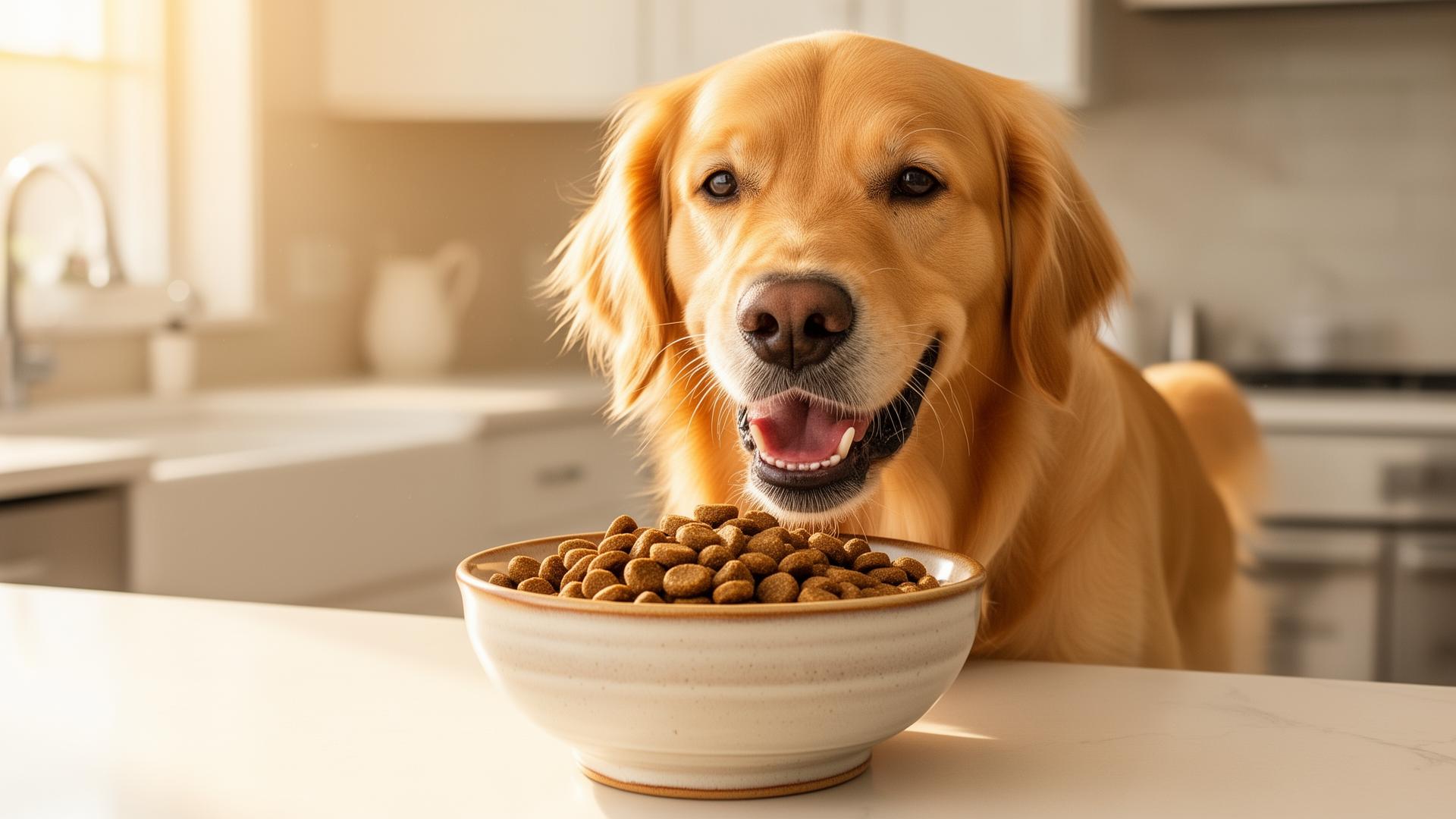
Mastering Gut Health in Pet Nutrition
A free expert learning series from The Pet Food Science Podcast
Gut health has moved from a single-ingredient conversation to a systems discussion. Microbial ecology, substrate selection, processing, functionality, and metabolic signaling now shape how nutritionists design diets and evaluate performance.
About the Series
Mastering Gut Health
This series organizes key research discussions into a structured learning path so each topic connects logically rather than existing as isolated ideas.
Across ten modules, the content follows the biology of the gut itself. Starting with defining a healthy microbiome, the series moves through substrates that feed it, compounds that regulate it, and measurable markers that validate outcomes. The objective is not trends or claims, but understanding mechanisms that guide formulation decisions.
Who This Is For
Register for Free Access
Unlock the full gut health series.
No ads. No generic content. Only technical nutrition science.
Episodes
What the 10 Modules Cover
Each session focuses on biological mechanisms rather than isolated tips. The goal is to connect microbial ecology, substrate science, and functional outcomes across a structured learning path.
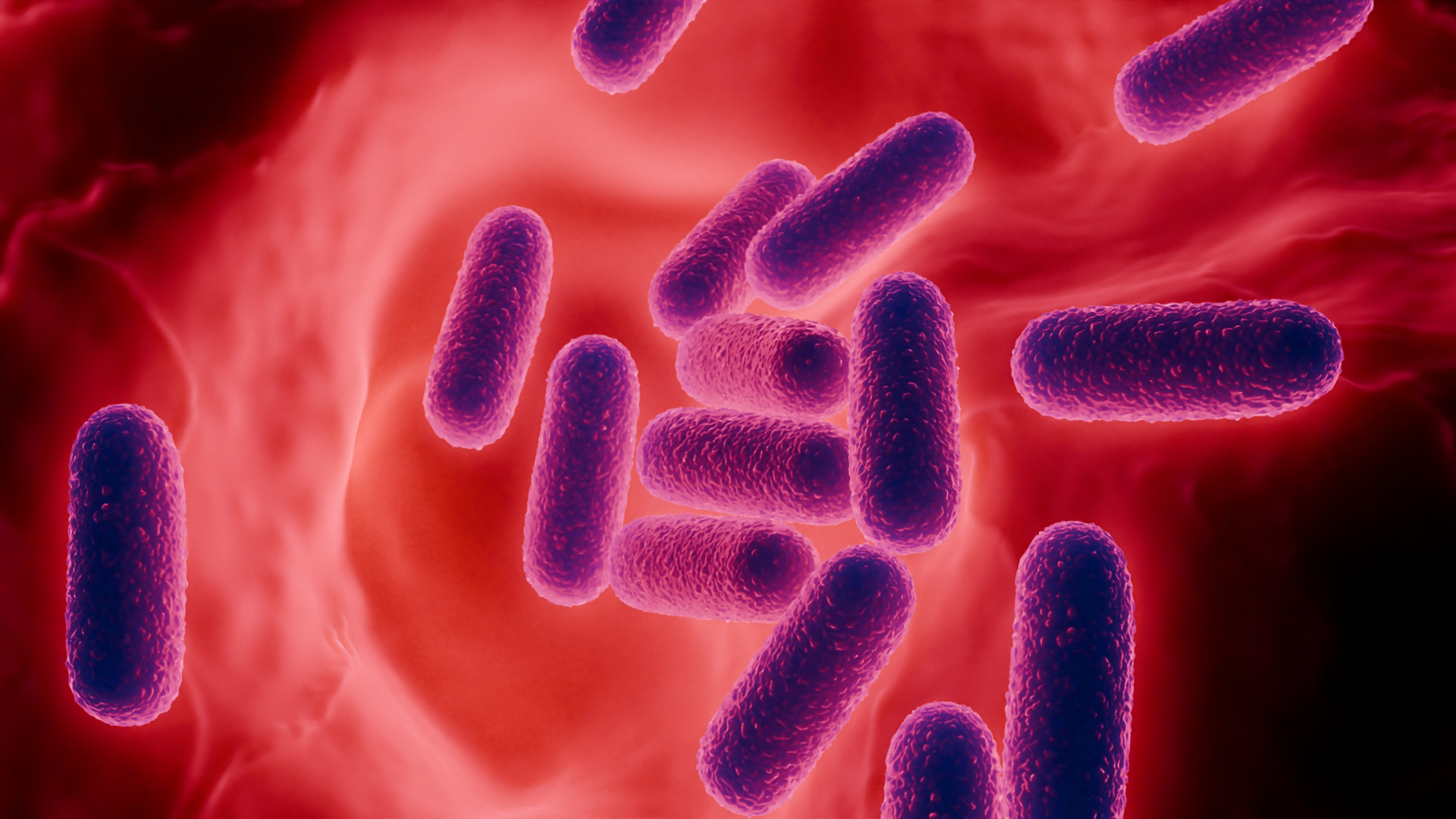
Defining a Healthy Microbiome
How microbial balance relates to disease states and why chronic dysbiosis behaves differently from temporary disturbances.
Prebiotic Carbohydrates
How specific oligosaccharides interact with gut microbes and bile acids to influence digestion and metabolic regulation.
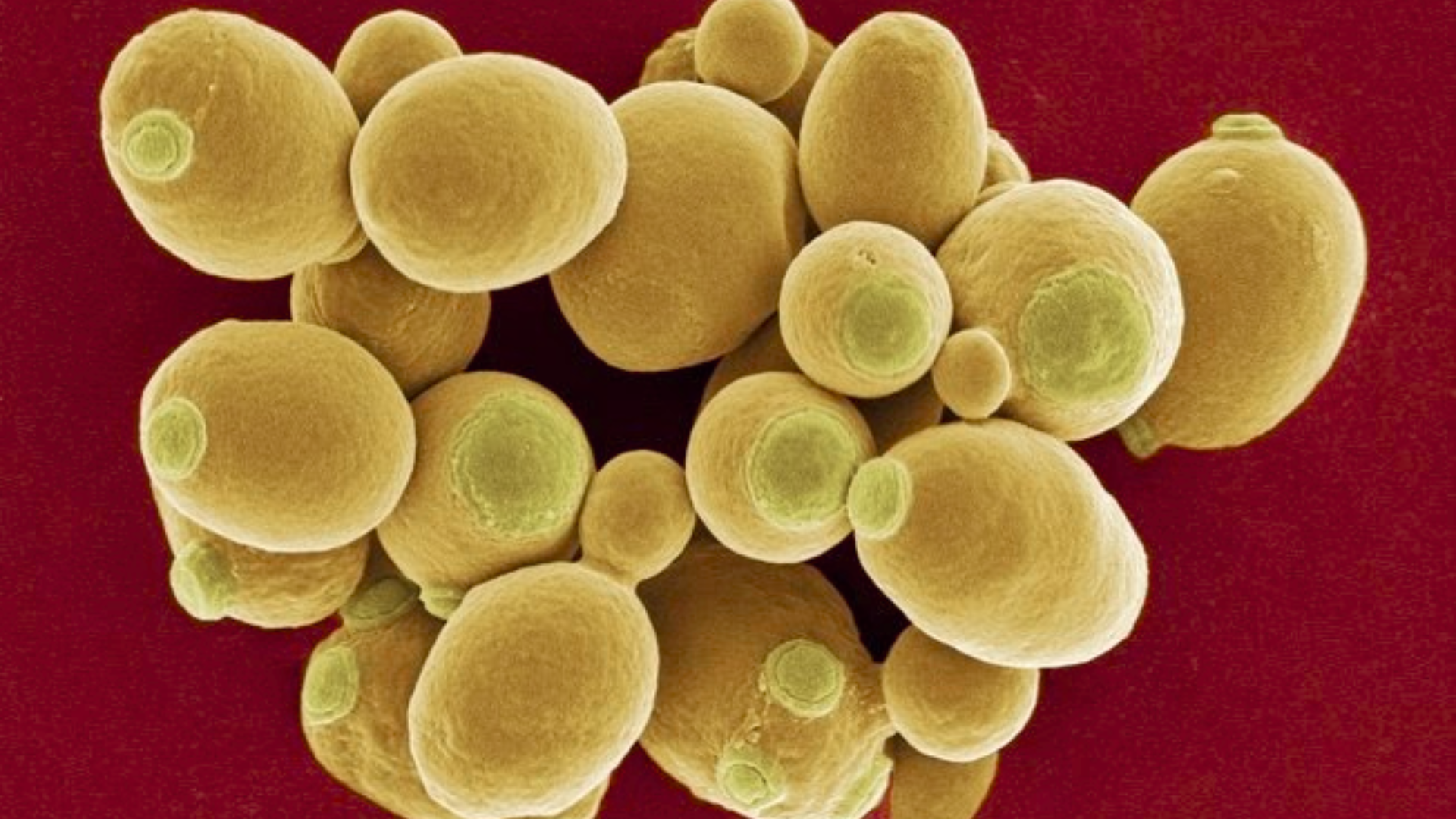
Yeast-Derived Functional Components
Differences between yeast fractions and why beta-glucans and MOS trigger different physiological responses.
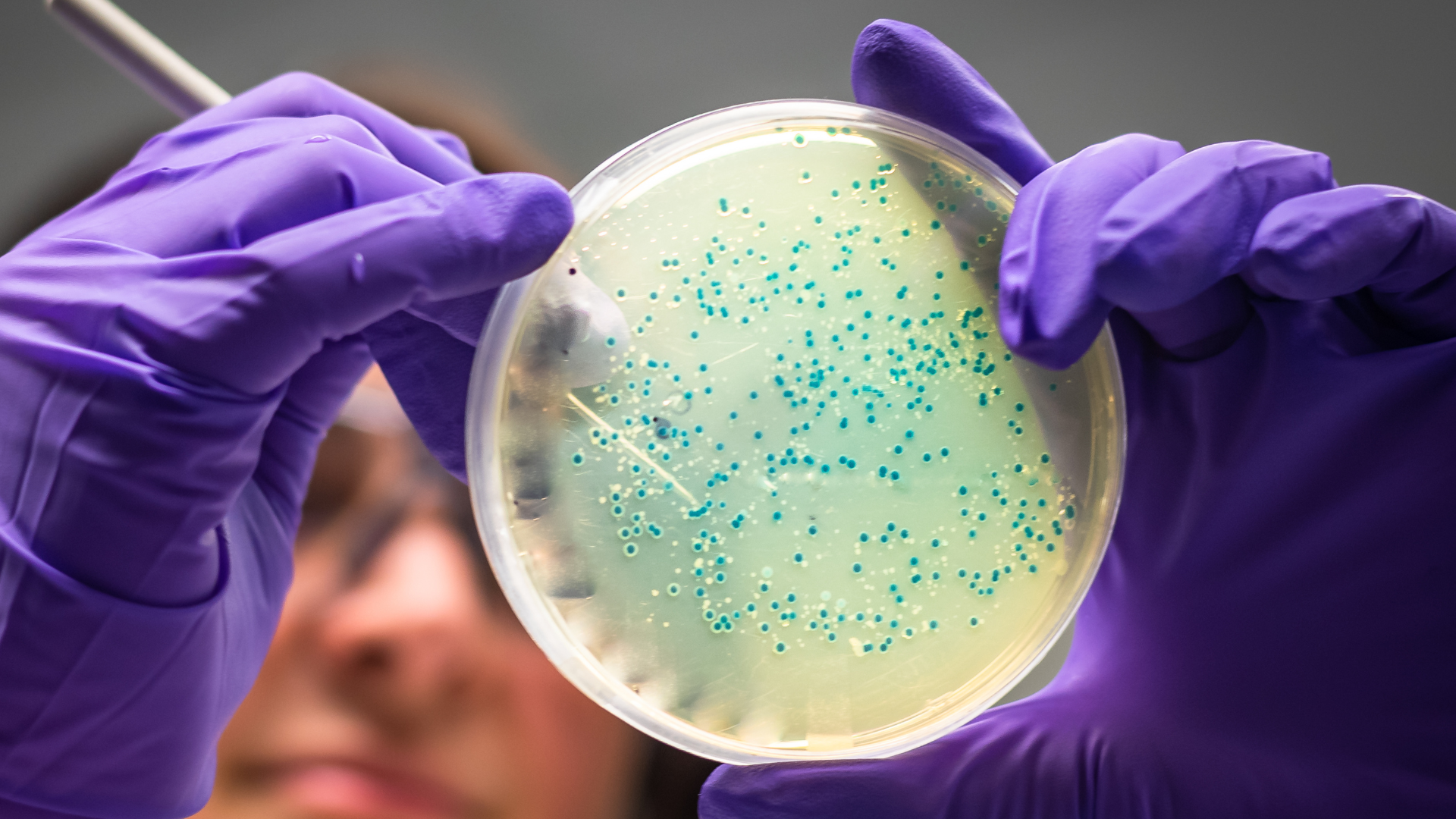
Fermented Ingredients
How fermentation transforms substrates before ingestion, altering digestibility and microbial communication inside the gut.
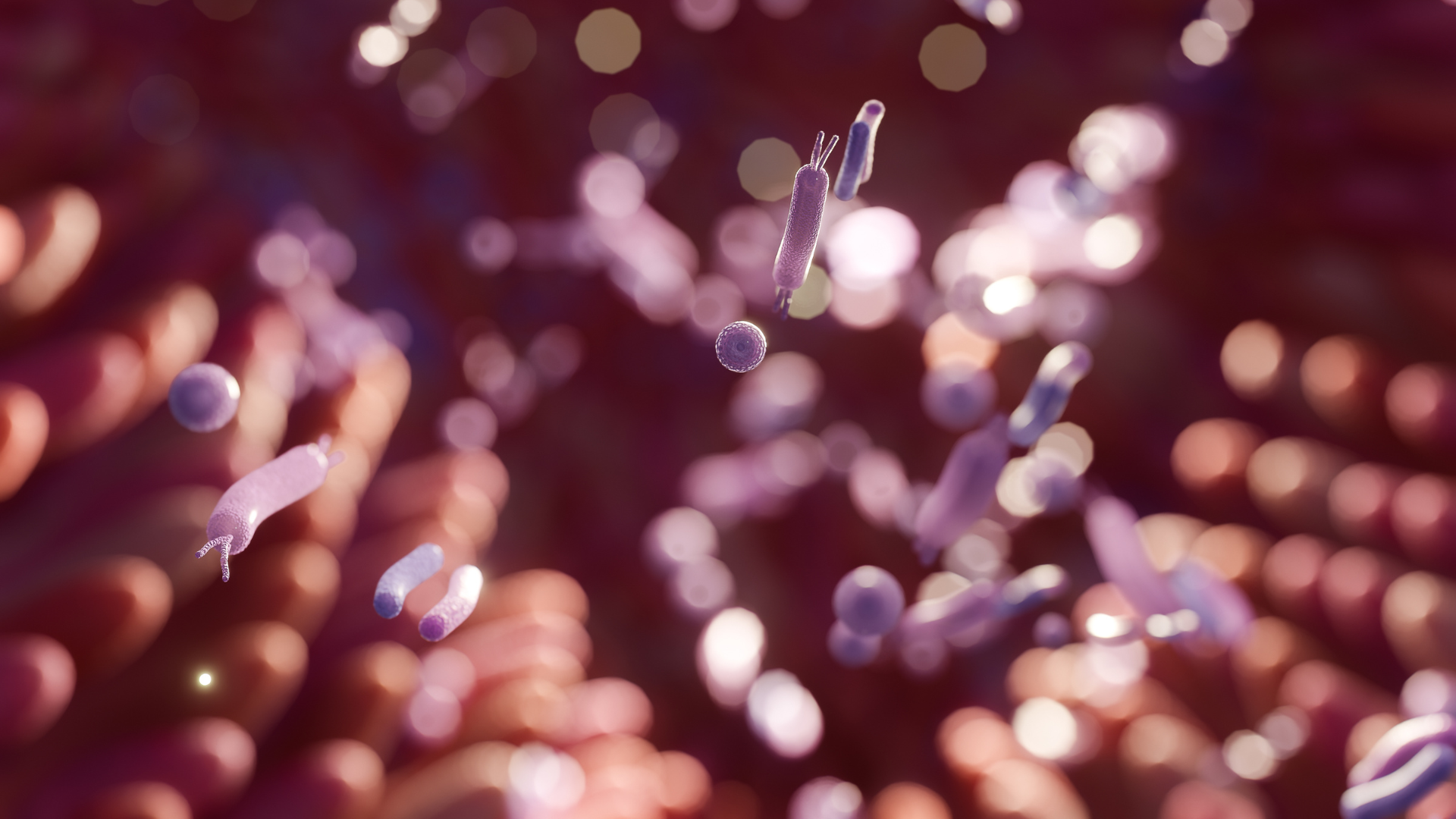
Probiotics, Prebiotics & Postbiotics
The ecosystem rather than individual strains — viability, microbial diversity, and metabolic signaling.

Functional Mushrooms
Polysaccharide structure and its interaction with immune pathways and microbiota fermentation.

Essential Oils
Selective antimicrobial activity and how dose, volatility, and diet matrix influence microbial modulation.

Marine Ingredients
Seaweed-derived compounds as fermentable substrates and micronutrient carriers.
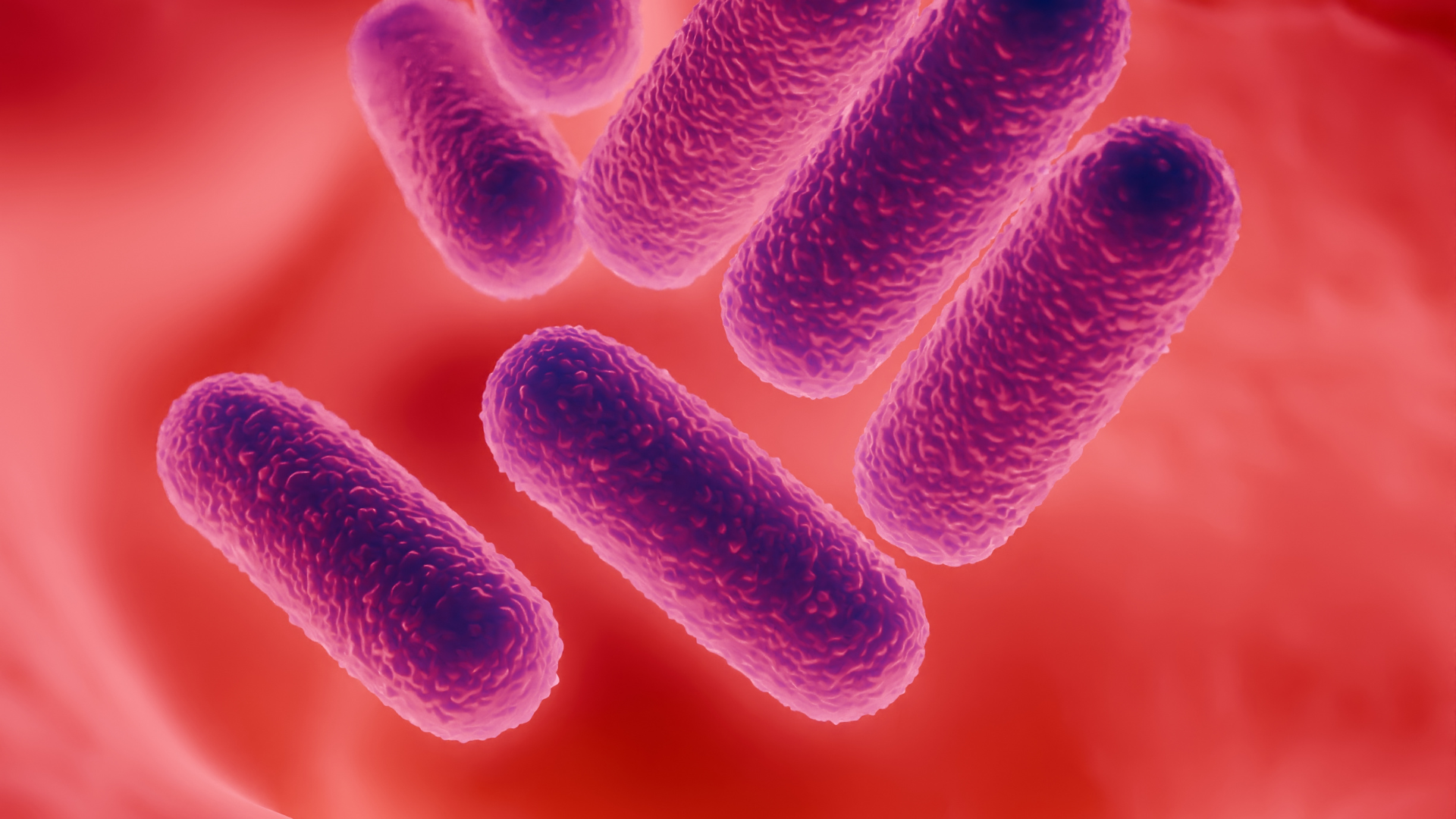
Animal-Derived Fermentable Substrates
Collagen and structural animal tissues as microbial substrates, fermentation patterns and metabolic byproducts.
Measuring Gut Function
Biomarkers used to interpret gut health, including bile acid profiles and dysbiosis indices.
Why Watch
Why Watch This Series
Science-Based Content
Every module draws from peer-reviewed research and real formulation data.
Structured Learning Path
Each module builds on the previous, from microbial biology through substrates to measurable outcomes.
Expert Interviews
Conversations with leading researchers and nutrition scientists in companion animal health.
Free Access
10 full modules, no paywalls, no upsells. Built for technical professionals.
Start watching now
10 free modules. No paywalls. Only technical nutrition knowledge.